Christmas market weekend with friends: split the costs
Separate travel, lodging and market purchases. Split shared expenses among the people involved and track cup deposits separately.

On this page
For a Christmas market weekend with friends, budget for travel and lodging separately from small purchases at the market. Split shared purchases among the people who use them, keep personal shopping separate and track cup deposits until they are returned. For small costs, record each payment or use a shared cash fund.
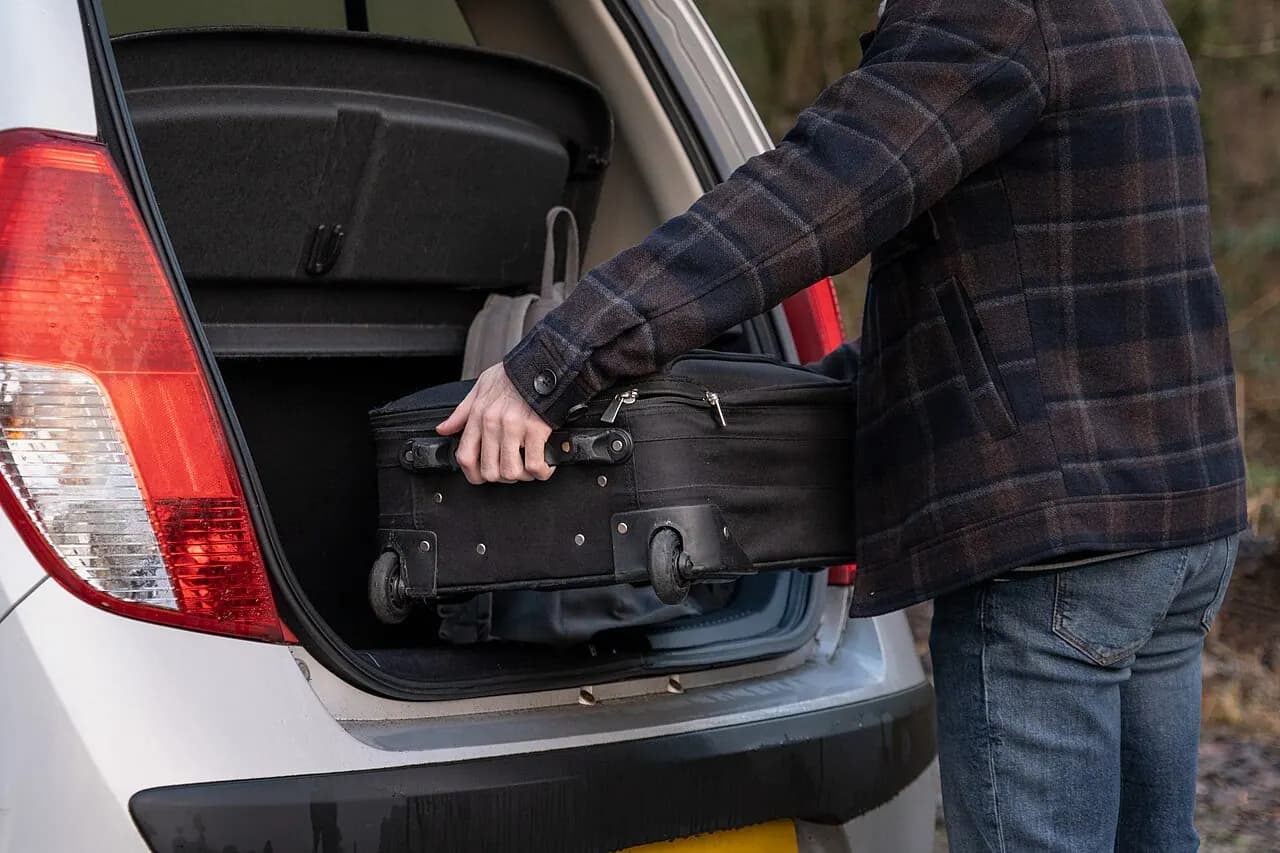
Separate bookings, shared purchases and personal shopping
Before you leave, sort expenses into three categories. Travel and lodging are booked ahead in a few payments and shared by everyone on the trip.
Small shared expenses on the spot, such as drinks and snacks the group eats together, are shared by the people who had them. Personal purchases, souvenirs, decorations or gifts, stay with whoever bought them and do not enter the group accounts.
If the group stays in a hotel with different rooms, lodging follows its own rules, covered in our guide to splitting hotel rooms on a group trip.
Small purchases: record them or use a cash fund
One waffle is not worth a discussion. Twenty waffles, fifteen mulled wines and three bags of cookies are. Two methods save you from rebuilding the weekend from memory.
First: whoever pays logs the expense on the spot, with the amount and who it was for. Second: everyone puts the same amount of cash into a shared cash fund on arrival, all small expenses come out of it, and whatever is left is split before you head home.
The cash fund saves you from logging every purchase, but it only covers small expenses: travel and lodging are settled separately. Logging as you go takes a little discipline, but it keeps a record of everything, including what was paid by card.
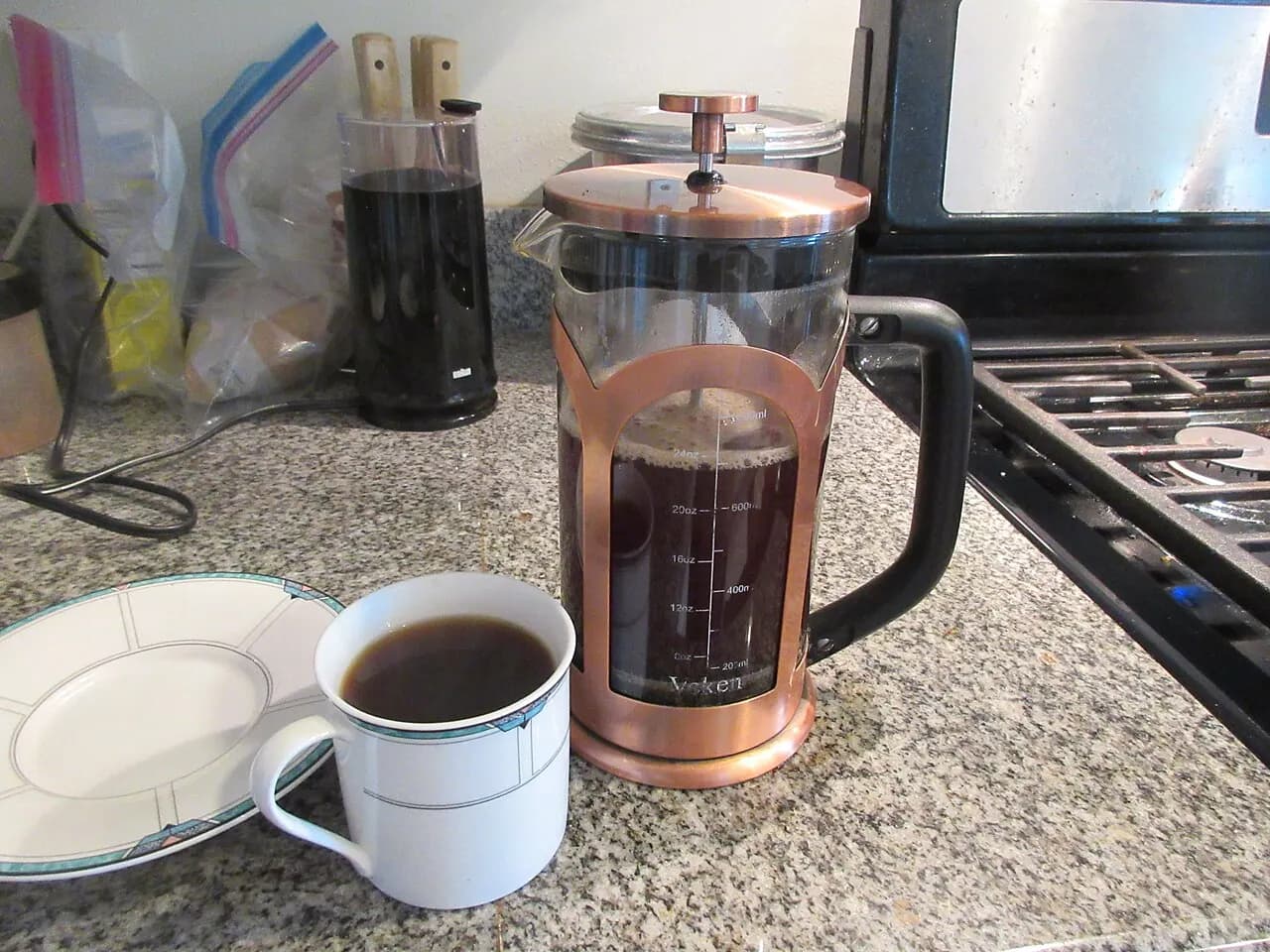
A cup deposit is an advance
In France, the anti-waste law has required since January 1, 2023 that food and drinks consumed on site in the food service establishments covered by the rule be served in reusable tableware, cups included. At a stall, a reusable cup may come with a deposit, which you get back when you return the cup.
For the accounts, a deposit is not a cost: it is an advance you recover when the cup goes back. If someone keeps a cup as a souvenir, they cover its cost. The simplest approach is to log deposits separately and settle them at the end of the day.

Example: four friends, two nights and the repayments
Hypothetical example: Camille, Yanis, Zoé and Malo spend two nights in a town hosting a Christmas market. Yanis booked the four train tickets, 4 × $64 = $256. Zoé paid for the apartment, 2 nights at $105 = $210.
On site, Camille buys three rounds of mulled wine for the four of them, 12 × $4.50 = $54, plus 4 cups with a $1 deposit each = $4. Three cups are returned and Camille gets $3 back; Malo keeps his. Malo pays for shared cookies and waffles, $18.40. Zoé buys a decoration for herself, which stays out of the accounts.
- Shared expenses: $256 + $210 + $54 + $18.40 = $538.40, or $134.60 per person.
- Deposits: $4 advanced, $3 recovered. The remaining $1 is the cup Malo kept.
- Cost per person: $134.60 for Camille, Yanis and Zoé, $135.60 for Malo. Total: $539.40.
What each person paid: Yanis $256, Zoé $210, Camille $55 ($54 of mulled wine and $1 of unreturned deposit), Malo $18.40, for $539.40 in total.
Yanis paid $121.40 more than his share and Zoé $75.40. Camille owes $79.60 and Malo $117.20.
Three repayments are enough: Malo sends $117.20 to Yanis, Camille sends $4.20 to Yanis and $75.40 to Zoé.
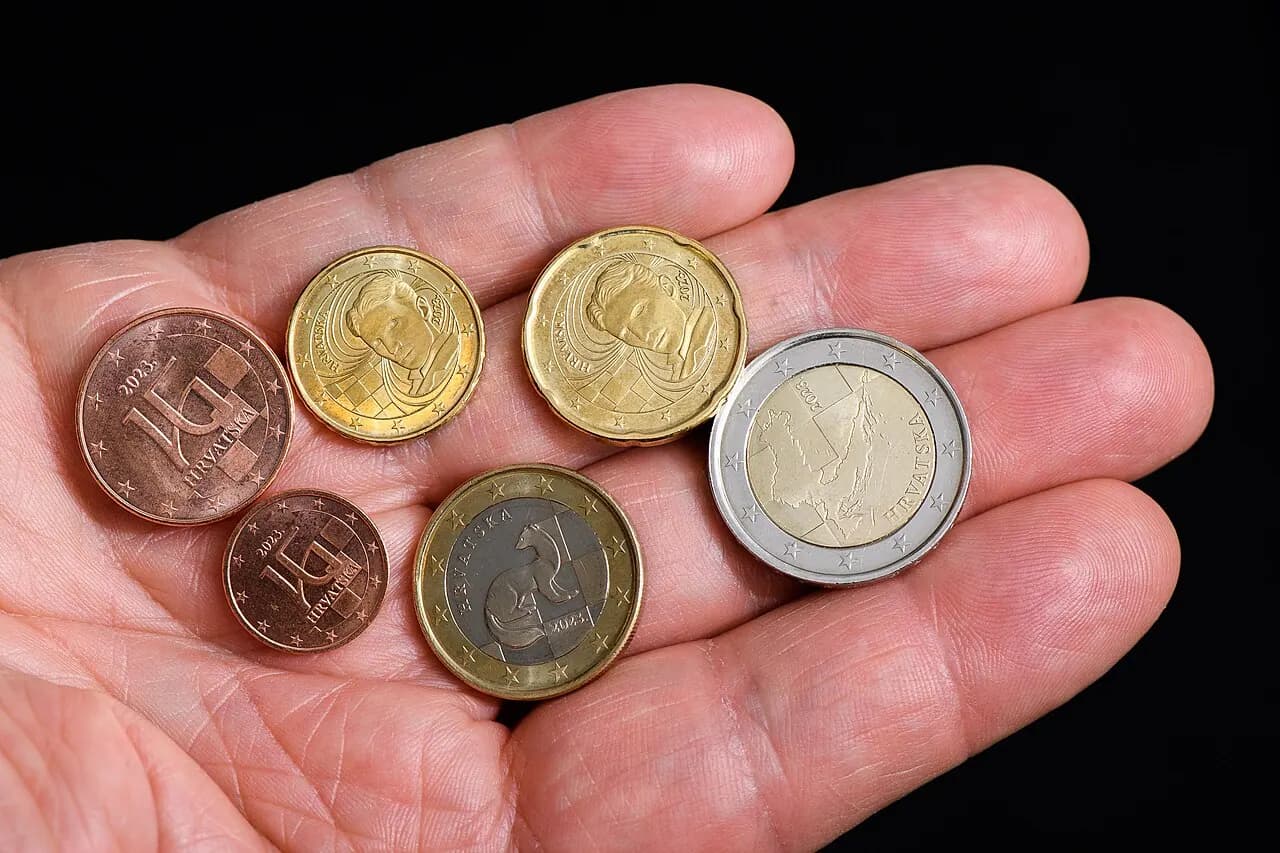
The same weekend with a shared cash fund
Same hypothetical example, with a cash fund: on arrival, everyone puts in $20, for $80. The mulled wine, the cookies and the deposits come out of it, and the $3 of returned deposits go back in. At the end of the weekend, $80 − $54 − $18.40 − $4 + $3 = $6.60 is left.
The shared cash fund expenses come to $72.40, or $18.10 per person, and Malo covers an additional $1 for his cup.
Camille, Yanis and Zoé each get $1.90 back and Malo $0.90, for $6.60. The train and the apartment are then split as in the previous example.

Log it on site, settle up at home
In Spliz, a group can add the train, the lodging and each small expense, then choose who shares each one. Balances then show who owes how much to whom.
Spliz does not move money: repayments happen by bank transfer, in cash or with another app, and can then be recorded in the group. Friends join the group as guests by installing the app, without creating an account.
Sources
- French Ministry for Ecological Transition, The anti-waste law for a circular economy (in French), reusable tableware required since January 1, 2023 for food and drinks consumed on site (accessed November 11, 2026).
Friends first. Enjoy the good times.