Christmas activities with friends: 12 ideas, who pays
Pick a market, ice rink or game night. Everyone covers personal purchases; split shared costs among those taking part.

On this page
Try a Christmas market, an ice rink, a cookie baking session or a game night, depending on what your friends enjoy and want to spend. Everyone covers their personal purchases; group bookings and shared supplies are split among the people taking part. These twelve ideas explain who pays for what at each activity.
In 2026, Christmas Day falls on a Friday. The weekend that follows leaves room for one more outing or a short trip together.
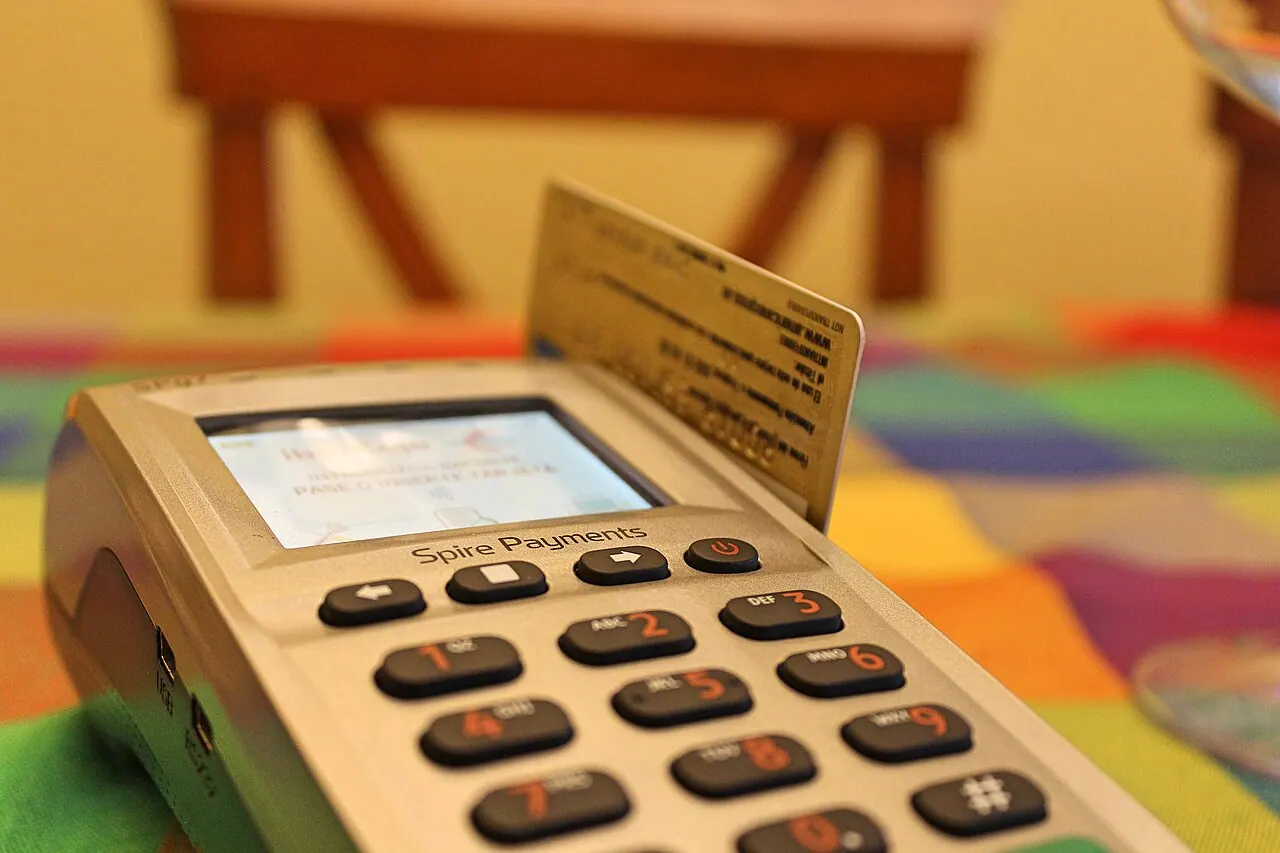
Personal costs, group bookings and shared purchases
How you pay determines what you need to record:
- Everyone pays their own way: admission, a ticket or a drink. Nothing to split, unless someone pays for someone else.
- One person books for the group: an escape room, a rental, a table. They cover the total, then everyone owes them a share.
- A shared purchase: groceries, decorations, a gift. It is split between the people who use it, not always the whole group.

Markets, ice skating, lights and escape rooms
1. The Christmas market. Everyone buys what they like. The shared cost comes with the round of mulled wine or hot chocolate: one person pays, and the round is split between those who had a drink. For a market further away, with train travel and an overnight stay, see our guide to a Christmas market weekend with friends.
2. The ice rink. Entry is usually per person, and so is skate rental. Anyone who brings their own skates skips the rental: if one person pays for everything at the counter, split the rental only between those who rented skates.
3. A walk to see the lights. It often costs nothing but the trip. If you drive, parking and fuel are split between the passengers.
4. A holiday escape room. The price is often set per session and one person books. If someone cancels at the last minute and the price stays the same, agree beforehand whether they still pay their share or whether it is spread across the people who came.

Movies, baking, sweaters and games at home
5. A Christmas movie night. The host often buys drinks and snacks. The total is split between the guests who came, or everyone brings something and nothing needs paying back.
6. A cookie baking session. One person shops from the list: flour, butter, spices, cookie cutters. Ingredients are split equally. The person keeping the tools can cover their cost.
7. An ugly sweater party. Everyone pays for their own sweater, and the group shares the drinks and any prize for the best one. The details are in our article on the ugly Christmas sweater party.
8. Board games. The game belongs to someone, and drinks and food are shared. If the group buys a new game for the night, decide who keeps it before splitting the price.

Secret Santa and Christmas dinner
9. Secret Santa. Everyone gives a gift to one person drawn at random, under a shared cap. Each person pays for the gift they give. Our guide covers Secret Santa rules and budget.
10. Christmas dinner with friends. Two or three people often buy the groceries, and some guests do not eat every dish. Our article on splitting the cost of Christmas dinner shows how to divide the total. For a gift from several people, see the group gift budget.
A cabin weekend or a New Year’s Eve party
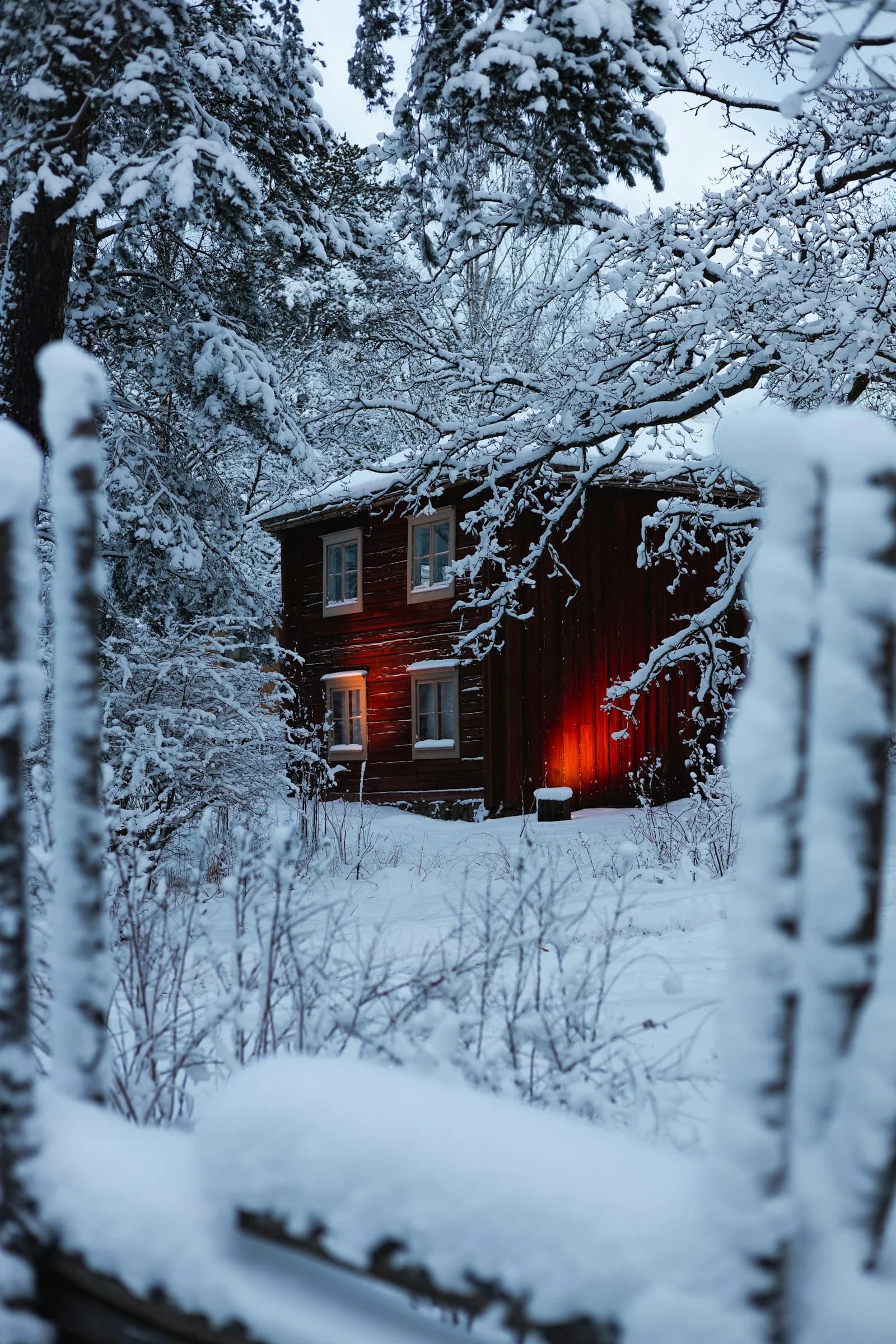
11. A cabin weekend. The rental is split by nights stayed, groceries between those eating there, fuel between the passengers in each car.
Think about equipment too. In France, from November 1, 2026 to March 31, 2027, cars in mountain towns listed by the prefects of 34 departments must have winter tires or carry snow chains or snow socks, according to Service Public. Rules differ by country. If chains are bought for this trip, the group decides whether they count as a shared cost or stay with the car owner, who keeps them.
12. New Year’s Eve. Renting a room or an apartment, drinks, food, the ride home: it is often the most expensive night of the season. Our guide to splitting New Year’s Eve party costs goes through each item.

Example: five friends split a December Saturday
Fictional example. Five friends, Lea, Hugo, Ines, Sam and Nora, spend a Saturday together. Lea books an escape room for the five of them at $140. Ines buys the cookie ingredients for $37.50. At the market, Sam pays for four mulled wines at $4.50, so $18.00, for Lea, Hugo, Ines and himself; Nora did not come to the market.
- Escape room: $140.00 ÷ 5 = $28.00 per person.
- Cookies: $37.50 ÷ 5 = $7.50 per person.
- Mulled wine: $18.00 ÷ 4 = $4.50 for Lea, Hugo, Ines and Sam.
The day costs $40.00 for Lea, Hugo, Ines and Sam, and $35.50 for Nora. The total is $195.50, which is 4 × $40.00 + $35.50, and also $140.00 + $37.50 + $18.00.
Lea paid $140.00 for a $40.00 share: she should get $100.00 back. Ines paid $37.50 and still owes $2.50. Sam paid $18.00 and owes $22.00. Hugo owes $40.00 and Nora $35.50.
Everyone can pay Lea back: $40.00 + $35.50 + $22.00 + $2.50 = $100.00.

Record expenses and work out repayments
Record each expense when it is paid, including who paid and who shares it. You will have what you need to work out repayments at the end of the day.
In Spliz, a group can add each expense, choose who shares it and check balances, for free. Friends join the group as guests by installing the app, without creating an account. The app does not move money: repayments happen by bank transfer, in cash or with another app, then get recorded in the group.
Sources
- Service Public, public holidays in 2026 (in French), Christmas Day on Friday, December 25, 2026.
- Service Public, winter tires and chains until March 31, 2027 (in French), required equipment in French mountain areas.
- Spliz
Put the numbers into practice. Track what each friend paid in Spliz.