A roommate moves out: settling rent and bills
A worked example for a mid-month move-out: prorated rent, utility bills that arrive later, the deposit the landlord keeps and shared furniture.
On this page
A roommate hands back the keys on the 20th. The rent was paid on the 1st for the whole month, the utility bill will arrive in six weeks, and the security deposit stays with the landlord until the last tenant leaves. To let them leave with clean accounts, separate what you can calculate today from what you will only know later.

The last month of rent, prorated by day
The clearest method is to divide each person’s monthly share by the number of days in the month, then multiply by the days they lived there. It does not say who covers the remaining days: that is an agreement for the household to make, in light of the lease.
The lease decides what the landlord can claim, and the rules depend on the country. In France, for example, a single lease with a joint liability clause keeps the departing roommate and their guarantor responsible for the others’ unpaid share for six months after the end of their notice period, or only until the end of the notice if a replacement joins during it. That is the rule published by the French government’s Service Public; it is not legal advice about your lease.

One move-out, from rent to internet
This example is fictional. Ana, Malik and Hugo share an apartment for $1,350 a month, $450 each. Ana pays the landlord on June 1. Hugo leaves on the evening of June 20, and Chloe, who takes over his room, moves in on the 21st. June has 30 days.
- Rent: Hugo owes 20/30 of $450, which is $300. Chloe owes 10/30, which is $150. Ana and Malik keep their $450 shares.
- Internet: $36 a month, paid by Malik, or $12 per room. Hugo owes $8 and Chloe owes $4.
Check: 450 + 450 + 300 + 150 = $1,350 for rent, and 12 + 12 + 8 + 4 = $36 for internet. Nobody pays twice for the same room, and nobody pays for days they did not live there.
Utility bills: estimate first, then settle
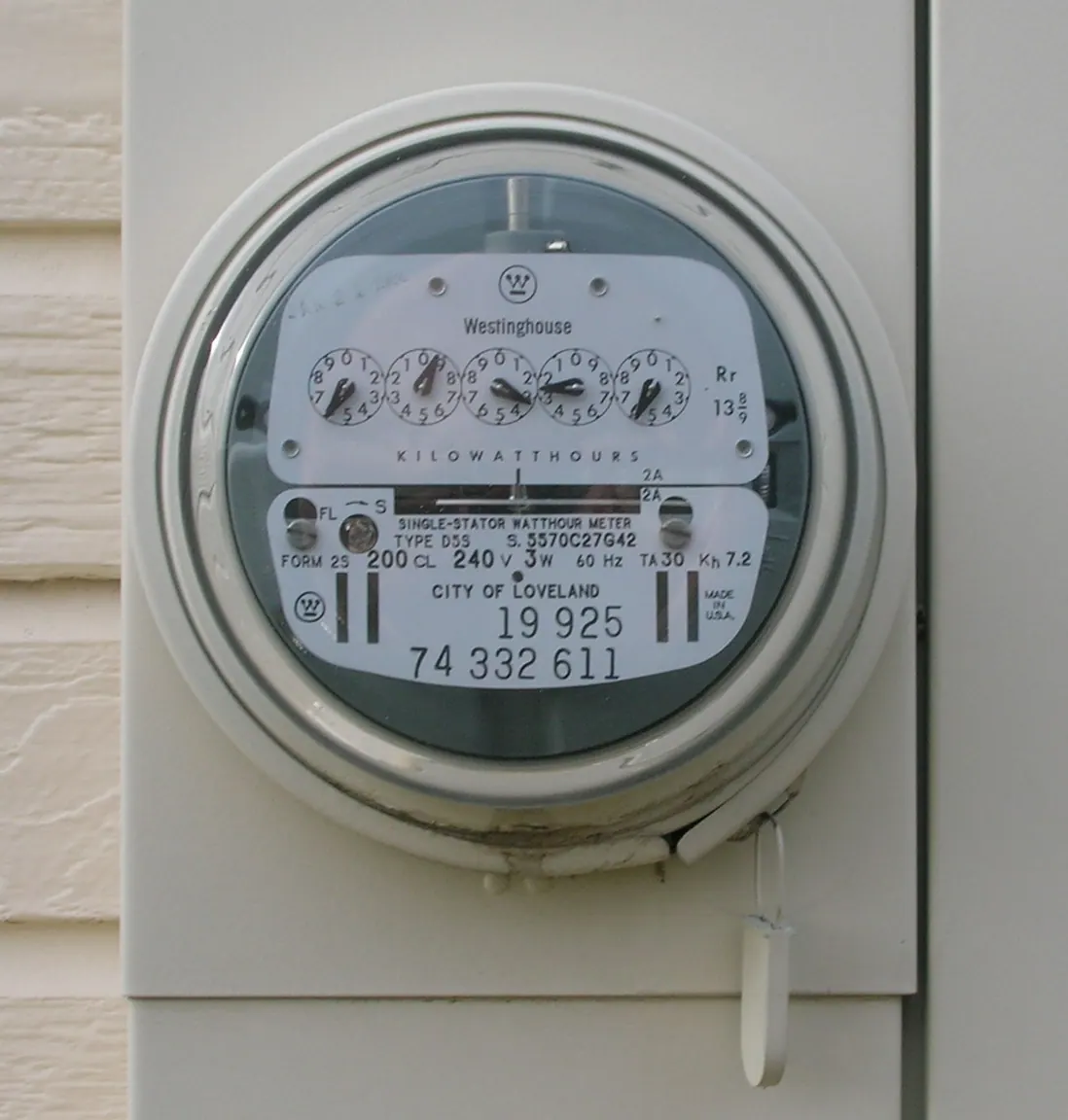
Electricity or gas is often billed for a period that overlaps the move-out. Rather than waiting weeks, the household can agree on an estimate when the roommate leaves, based on the previous bill, then correct it when the real bill arrives.
In the example, Ana receives a $180 bill in July for May and June, 60 days. Hugo left a $55 estimate before moving out. Splitting by days of presence gives 180 person-days in total: 60 for Ana, 60 for Malik, 50 for Hugo and 10 for Chloe, or $1 per person-day. Hugo’s actual share is $50, so Ana returns $5 to him. A per-day split assumes steady use; if the heating ran mostly in May, the group can choose another rule, as long as it is set before anyone sees the amounts.

The deposit stays with the landlord
Under French rules described by Service Public, a departing roommate cannot ask the landlord to return their share of the deposit; they can only work out an arrangement with the other roommates. The landlord returns the deposit after all roommates have left. Other countries and leases may differ, so check yours.
The simplest arrangement is often for the newcomer to buy out the departing roommate’s share. In the example, Hugo paid $450 toward the deposit when he moved in. Chloe pays him $450 and takes his place in the deposit. If part of it is ever withheld for damage Hugo caused, the household can ask him to cover it, the same reasoning as for a withheld rental deposit. Write the agreement down, with the date and amount.

Shared purchases: buy out, leave or take
A washing machine bought by three people, a sofa, a table: none of these appear on the lease or on a monthly bill. There are three options: the departing roommate takes the item and buys out the others, leaves it and is bought out, or leaves it for nothing. What matters is the value agreed today, not the original price.
In the example, the washing machine cost $300 two years ago. The three agree on a current value of $150. Hugo leaves it, and Ana and Malik buy his third for $50, $25 each.

Hugo’s balance, line by line
- Hugo owes Ana $300 in rent and a $55 utility estimate, $355 in total.
- Hugo owes Malik $8 for internet.
- Ana owes Hugo $25 and Malik owes Hugo $25 for the washing machine.
- Chloe owes Hugo $450 for the deposit.
After netting, Hugo sends Ana $330, Malik sends Hugo $17 and Chloe sends Hugo $450. When the utility bill arrives, Ana returns $5 to Hugo. Chloe, for her part, owes Ana $150 in rent and Malik $4 for internet. Keeping one line for the estimate and another for its correction makes it easy to see later why Hugo received $5.
Everyday costs such as groceries and cleaning supplies follow their own logic, covered in our guide to roommate groceries and bills.
In Spliz, a household can record the rent, internet, the estimate and the actual bill as separate expenses, choose who shares each one and see everyone’s balance, for free. The app does not move money: repayments happen by bank transfer, in cash or with another app, and are then recorded in the group.
Sources
- Service Public, Colocation: what are the rules?, French rules on a departing roommate’s deposit share and its return after everyone leaves.
- Service Public, Does a roommate have to pay the debts after giving notice?, length of joint liability after the notice period in France.
Put the numbers into practice. Track what each friend paid in Spliz.