Roommate works from home: splitting the energy bill
One roommate is home all day in winter. Three fair ways to split electricity and heating, with a worked example and the talk to have before the cold.
On this page
In a shared apartment, the energy bill is often split evenly without anyone thinking about it. Then winter comes, one roommate works from home three days a week, the heating runs during the day and the bill goes up. The others wonder whether they are paying for a home office; the remote worker wonders whether they should pay more for a place everyone shares. There is no single rule, but there are simple methods. Here are three, with a worked example.

Talk about it before winter
The best time to agree on a rule is before the first big bill. Once the amount is known, everyone does the math that suits them. Three questions are enough: who stays home during the day, and how many days a week? Is the apartment heated with electricity, or is heating included in the rent or building fees? And is the bill in one person’s name, with that person paying the whole thing up front?
If heating is included in the rent, the question is mostly about electricity: laptop, lights, kettle, a space heater. If the apartment has electric heat, the gap can be bigger, and a clear rule avoids resentment.
Three ways to split it
- Equal shares. The simplest method: everyone pays the same, on the idea that differences even out over the year (one person takes longer showers, another cooks more). It works when remote work is occasional.
- A flat remote-work surcharge. The roommate who works from home pays a small fixed amount on top each winter month, and the rest is split evenly. Easy to remember, easy to revisit.
- Weighted shares. Each person gets a weight based on time spent at home, for example 1.5 shares for the remote worker and 1 share for everyone else. It is closer to real use, but you have to agree on the weights.
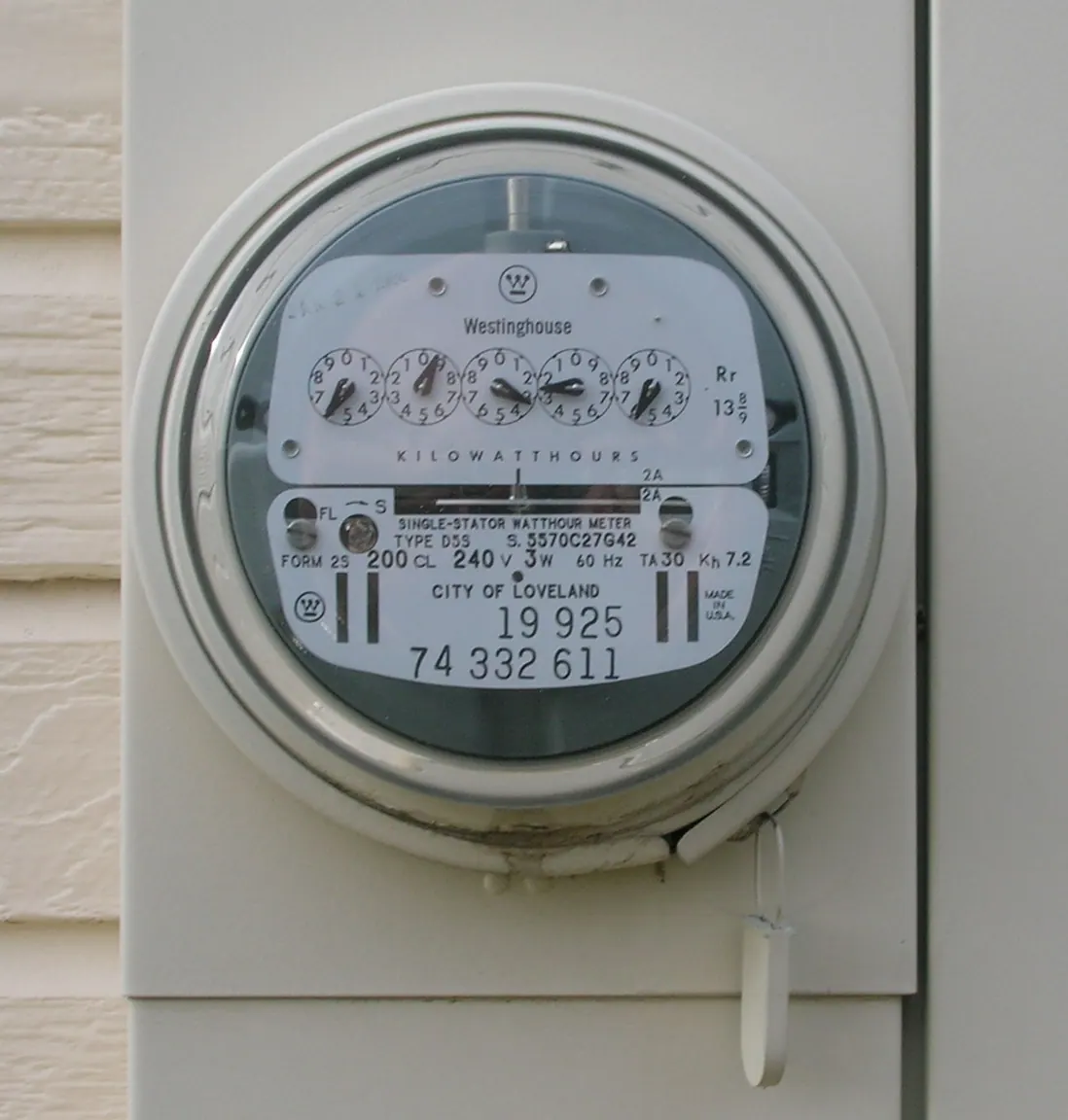
A single device, like a space heater in one bedroom, can also be measured with a plug-in energy meter. You then know what it uses, and the person who runs it pays that amount separately.
A worked example
In this fictional example, Lea, Hugo and Ines share an apartment with electric heat. Lea works from home three days a week. The bill is in Hugo’s name, and he pays $480 for the four winter months, November through February. The amounts are made up for the example.
- Equal shares: $480 ÷ 3 = $160 each.
- A $15 monthly remote-work surcharge: Lea pays 4 × $15 = $60 extra. That leaves $420 to split, or $140 each. Lea pays $140 + $60 = $200, Hugo and Ines pay $140 each. Check: $200 + $140 + $140 = $480.
- Weighted shares, 1.5 for Lea and 1 for the others: 3.5 shares in total. One share is $480 ÷ 3.5 = $137.142… Hugo and Ines pay $137.14 each, and Lea pays the rest, $480 − $274.28 = $205.72.
The group picks the surcharge: it is simple and Lea thinks it is fair. She would have paid $160 with equal shares; she pays $40 more over the winter.

Settling up
Hugo paid $480 for a $140 share, so he is owed $340. Lea owes $200 and Ines owes $140. Two payments settle it: Lea sends Hugo $200 and Ines sends him $140. Hugo has then paid exactly his share: $480 − $340 = $140.
If your utility uses budget billing with a true-up at the end of the year, apply the same rule to the true-up: a credit or an extra charge is split the same way as the bills it corrects.

Revisit the rule when things change
The surcharge is for winter. In spring, when the heating goes off, it can drop to zero. If a second roommate starts working from home, or Lea goes back to the office, the rule is up for discussion again. One sentence written in the group, with the date, saves everyone from wondering later what was agreed.
The same reasoning applies to rent when bedrooms are different sizes, as explained in our guide to splitting rent by room size.

Keep a record
An energy bill arrives every month or two, like internet or groceries. The method is the same, detailed in our guide to roommate groceries and bills.
In Spliz, roommates can add each bill as an expense, choose who shares it and see everyone’s balance, for free. The app does not move money: people pay each other back by bank transfer, in cash or with another app, then record it in the group.
Put the numbers into practice. Track what each friend paid in Spliz.